

How Dirty Are Dishwashers?
When most people think about kitchen cleanliness, they focus on countertops, sinks, and appliances like refrigerators and ovens. But there’s one appliance that often gets overlooked — the dishwasher. Ironically, the very machine designed to clean your dishes can become one of the dirtiest appliances in your home if it’s not properly maintained.
You might be surprised to learn just how much grime can build up inside a dishwasher over time.
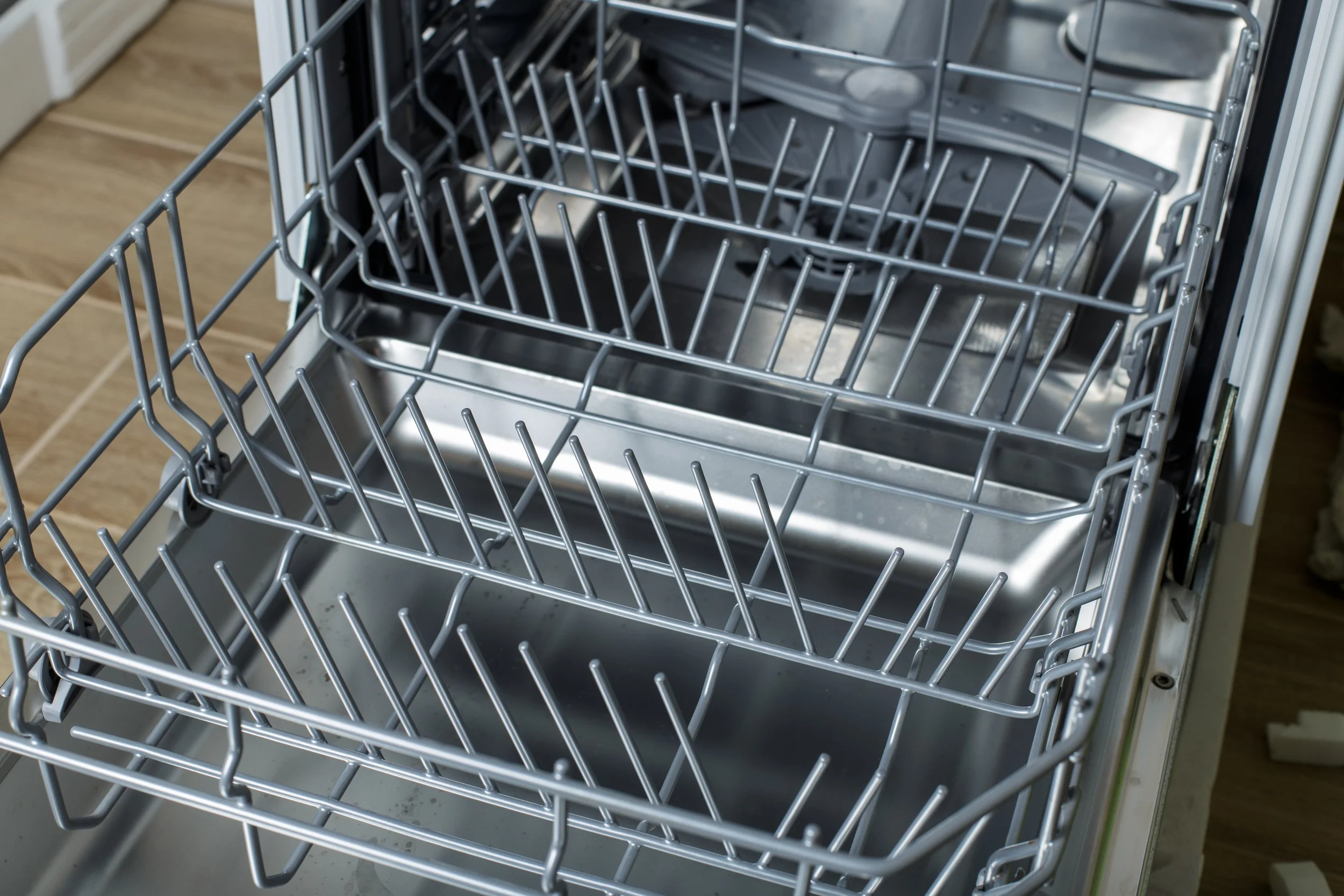
Common contaminants found in dishwashers include:
Food particles and grease buildup
Mold and mildew (especially around seals and crevices)
Soap scum and hard water residue
Bacteria from leftover food and moisture
Dishwashers provide the perfect environment for bacteria growth: warmth, moisture, and food residue. Over time, this buildup can cause unpleasant odors, reduce cleaning efficiency, and even re-deposit grime onto your “clean” dishes.
Some studies have found that dishwashers can harbor bacteria such as E. coli and salmonella if filters and seals are not cleaned regularly — especially in homes that rinse dishes minimally before loading.
How Often Should You Clean Your Dishwasher?
Light maintenance: Once a month
Deep cleaning: Every 2–3 months
High-use households: Monthly deep cleaning is recommended
Homes with hard water, pets, or frequent cooking may need more frequent cleaning.
How to Thoroughly Clean Your Dishwasher (Step-by-Step)
1. Clean the Dishwasher Filter
Most dishwashers have a removable filter located at the bottom.
Steps:
Remove the bottom rack
Twist and lift out the filter (if removable)
Rinse under hot water
Use a soft brush and dish soap to remove grease and debris
Reinstall once clean
This step alone can dramatically improve dishwasher performance.
2. Clean the Spray Arms
Spray arms can become clogged with food particles and mineral buildup.
Remove spray arms if possible
Use a toothpick or small brush to clear holes
Rinse thoroughly before reattaching
3. Wipe the Door, Gasket, and Edges
Mold and grime often hide where you can’t easily see.
Use a microfiber cloth
Clean around the rubber gasket
Pay close attention to corners and seams
Use warm water with mild dish soap or white vinegar
4. Run a Vinegar Cleaning Cycle
White vinegar helps dissolve grease and mineral deposits.
Place 1 cup of white vinegar in a dishwasher-safe bowl
Place it on the top rack
Run a hot water cycle (no dishes)
5. Deodorize With Baking Soda
After the vinegar cycle:
Sprinkle 1 cup of baking soda along the bottom
Run a short hot cycle
This removes lingering odors and freshens the interior.
6. Clean the Exterior
Don’t forget the outside:
Wipe buttons and handles
Clean stainless steel with a proper stainless cleaner
Need Help With Deep Kitchen Cleaning?
While homeowners can handle basic dishwasher maintenance, professional cleaning services ensure your entire kitchen — including hard-to-reach areas — is cleaned and sanitized properly. A professionally cleaned kitchen supports better hygiene, appliance longevity, and peace of mind.